BLOG
Introduction
Cities have their own gravity. The pulse is constant, the pace relentless. That energy can be inspiring — but it can also trap you in the same creative patterns. Leaving takes intention. And if you’re going, you might as well make it count.
This isn’t about filling a scrapbook. It’s about coming back with usable material: images, sounds, and impressions that can feed real projects. The goal is to be present enough to feel the place — and prepared enough to capture what matters before it’s gone.
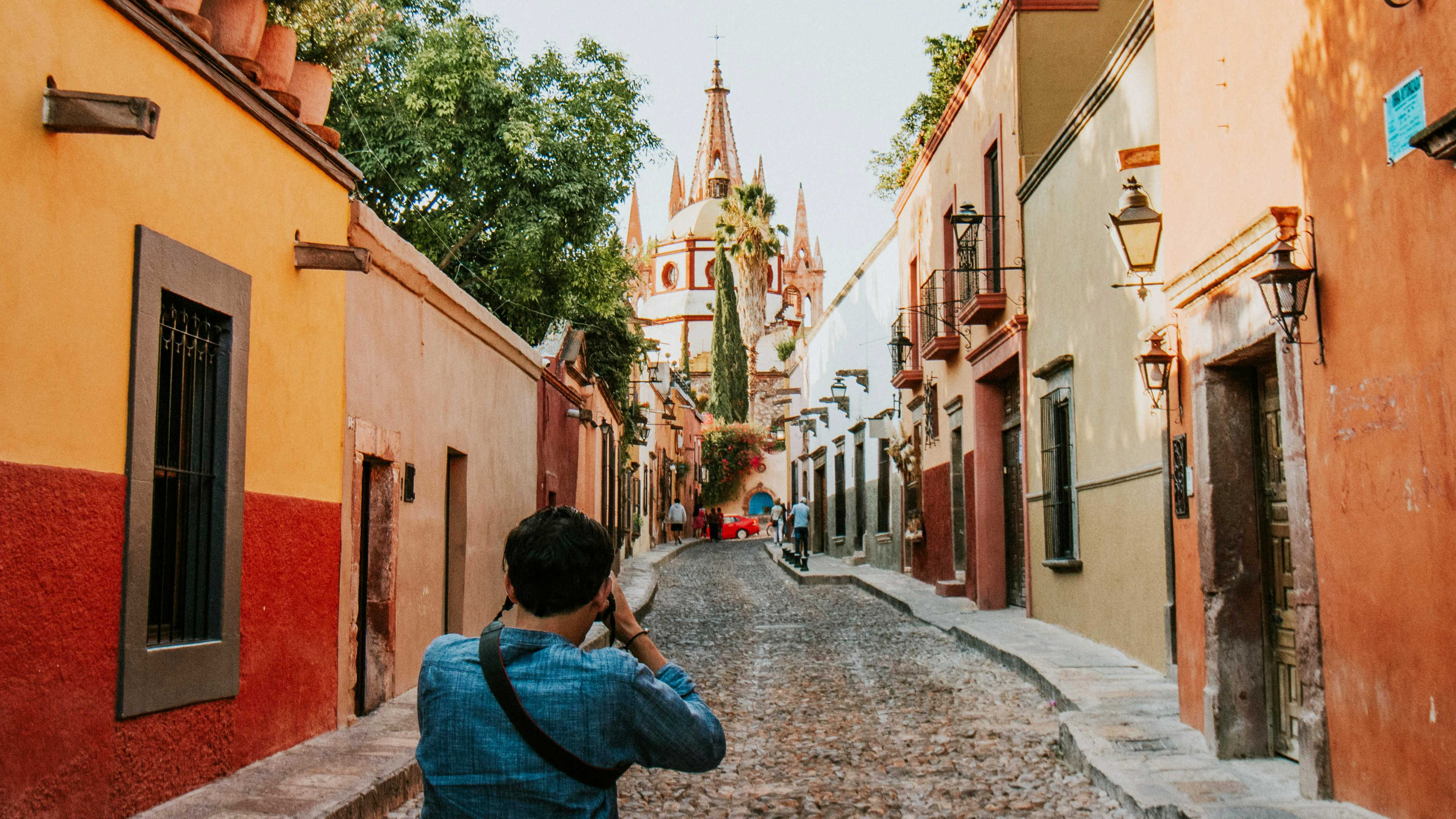
Creative preparation isn't about scripting a trip; it’s about building a structure that supports presence and spontaneity.
1. Prepare to Be Present
You can’t improvise your way through a short trip and expect to come back with quality material. The more you prep, the freer you’ll be in the moment.
- Research the light, key vantage points, and potential themes in advance.
- Make a loose shot list — not to box you in, but to keep you from drawing a blank.
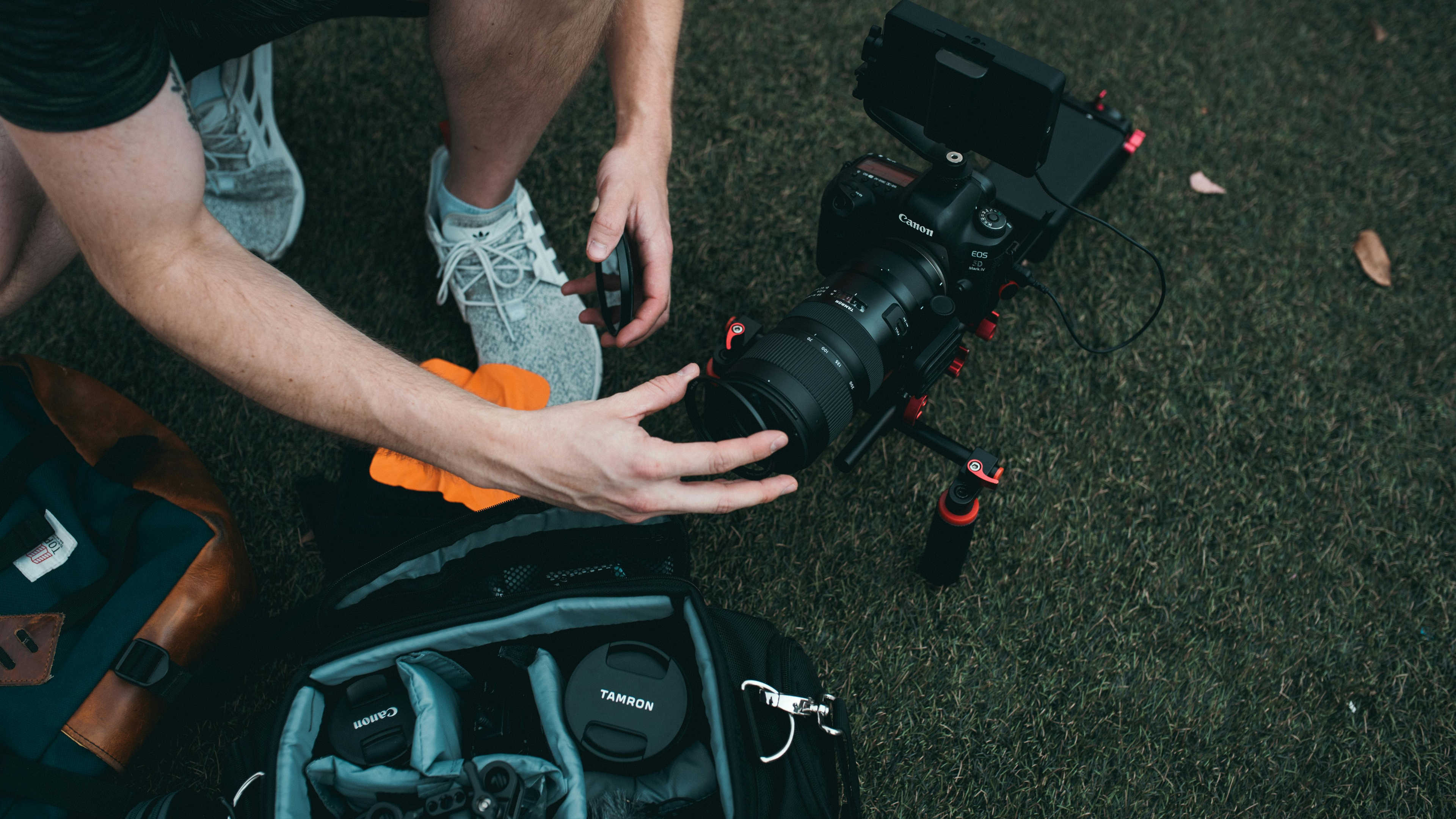
- Test your gear before you go: batteries charged, memory cards cleared, backup plan ready. Know how to change your exposure without being able to see your display?
Professional creativity isn’t luck — it’s based on preparation and removing the small friction points that can make you miss the idea or the moment.
“There are some things one can only achieve by a deliberate leap in the opposite direction.”
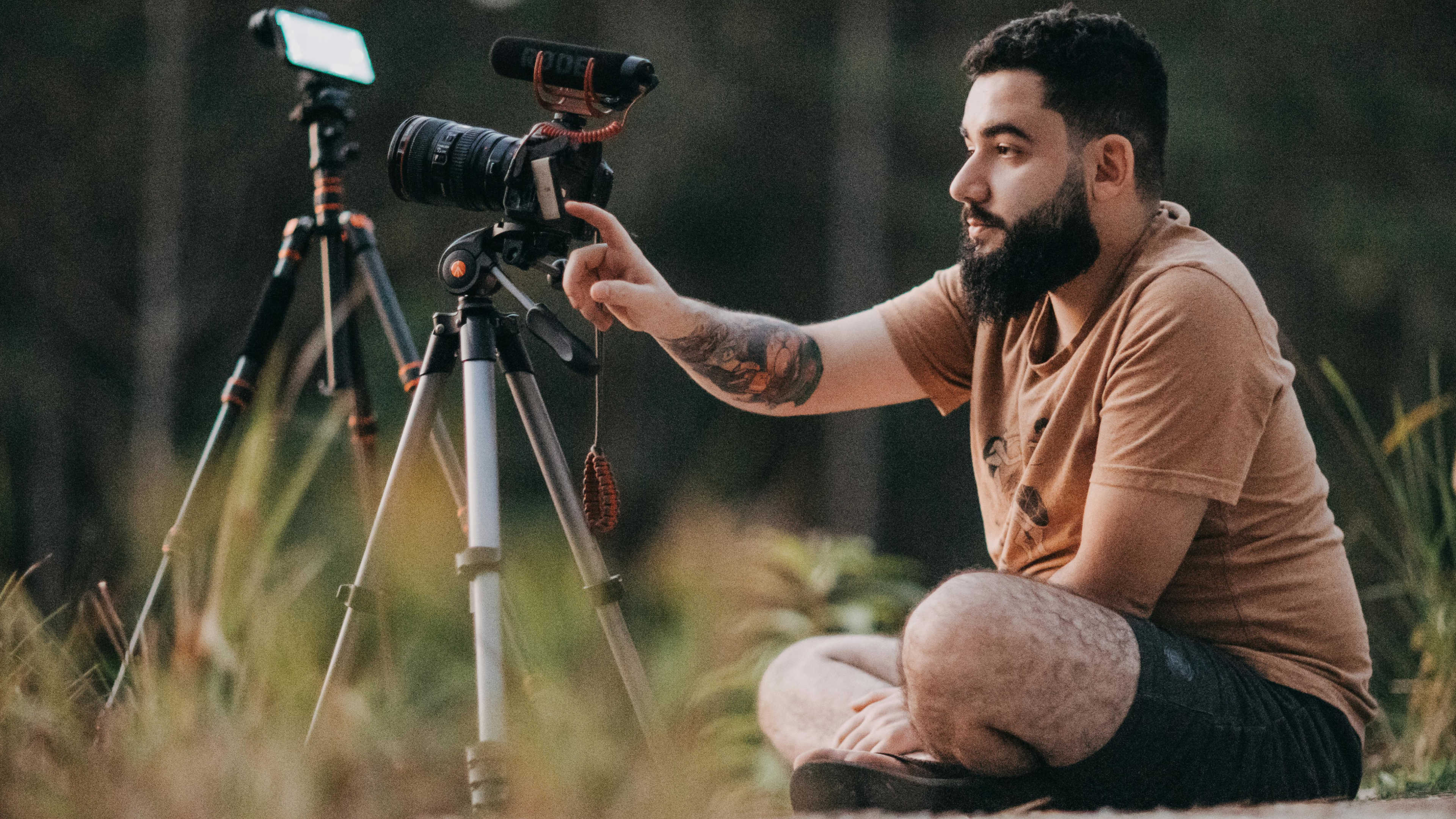
The guiding principle: Refine the kit, don’t overload it. Everything you bring has to earn its weight and serve the story.
2. Work the Scene
Once you’re there, treat each day like it matters — because it does. Even on a week-long trip, nothing will repeat itself exactly. If a shot, sound, or angle matters, take it now.
- Take multiple framings of the same subject; you can always delete later.
- Record ambient audio — waves, chatter, footsteps — to layer into future edits or sound design. Sound adds depth, especially when used for subtle reinforcement and atmosphere. The iPhone Voice Memos app is one of my absolute go-tos for impromptu sampling.
- Switch perspectives: wide shots for context, tight shots for texture, unusual angles for freshness. The 9-shot rule can help ensure variety for smoother editing.
You’re not just documenting the moment — you’re building a library of raw material for things you haven’t even thought of yet.
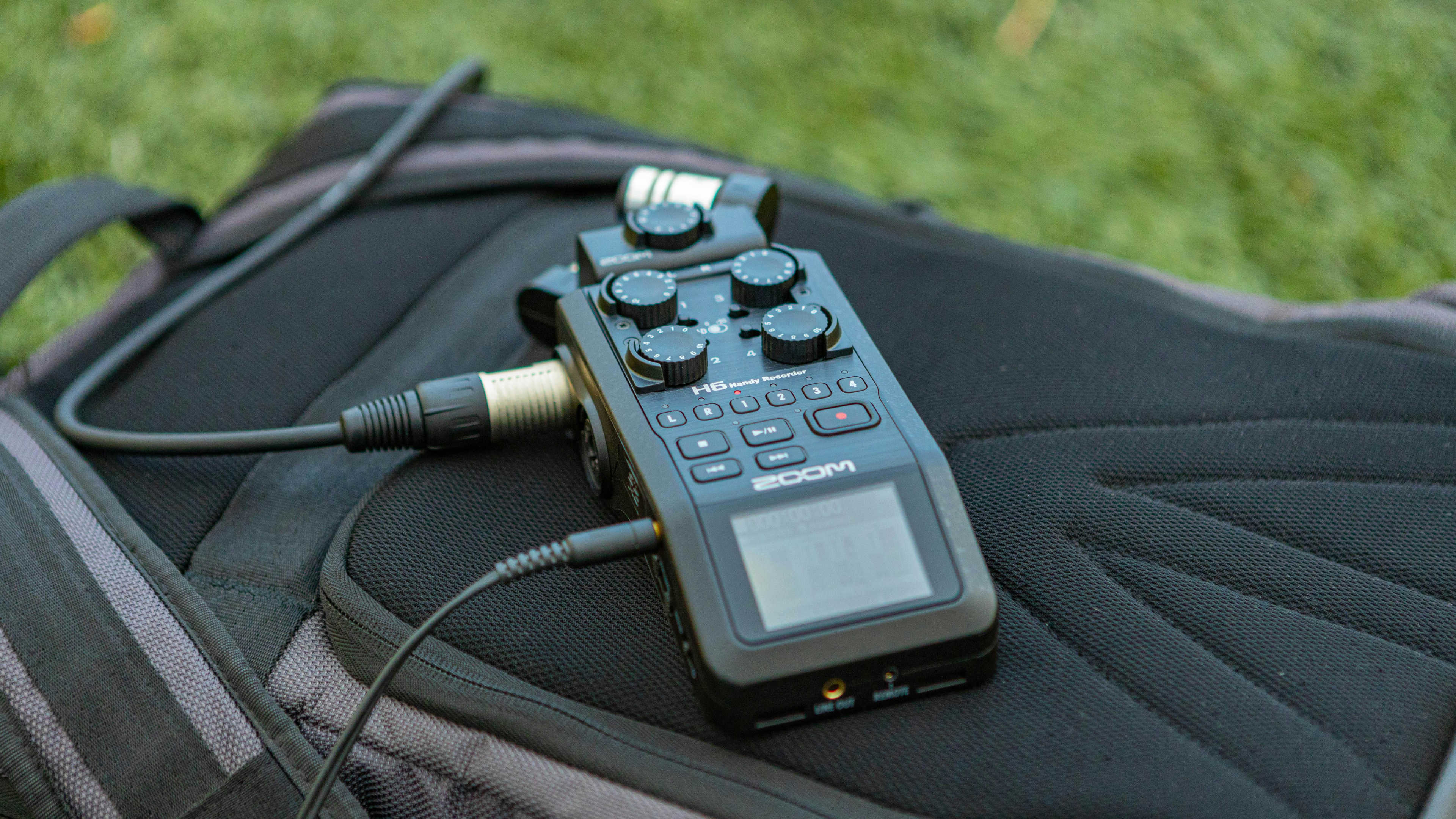
One of my favorite things to do is record audio samples wherever I go. Later, I use them as sound effects in video or music.