BLOG

Freedom & Structure in Design
Where the Magic Really Happens
Posted on July 9, 2025, by Peter Loomis
Introduction
Happy July! As fireworks light up the sky, freedom comes to mind. Not only the grand, sweeping kind, but the nuanced, exhilarating freedoms we navigate every day as designers.
For years, like many creatives, I chased extreme freedom in my work. The blank canvas, limitless possibilities, my own schedule, the ability to choose my clients, work from home, manage my projects my way – that was the dream.
Yet over time, I’ve come to admire in others — even need to cultivate myself as the basis for my own days, something equally, if not more powerful: discipline. True freedom isn’t just chaos. It’s earned. Sculpted. It exists precisely because of structure, not in spite of it.
This month, celebrating liberation, I’ve been thinking deeply about “freedom” in design. It’s a tension, a dance between boundless creativity and grounded constraints. Finding that sweet spot? That’s where truly impactful design happens.

There is a powerful allure of unhindered creative exploration, like feasting on a rush of ideas
1. The Allure of Unfettered Freedom
Freedom is the oxygen of creative work.
When designers get room to explore, they invite:
- Originality
- Emotional resonance
- Unimagined solutions
This is where innovation thrives. Breakthrough ideas rarely stem from rigid checklists. They emerge from pushing boundaries, from asking “what if?” It’s visible in messy early sketches, wild brainstorms, daring typography, and unexpected color palettes. Think of Mailchimp’s quirky yet compelling visual identity; it pushes boundaries while remaining incredibly effective. It reminds me that even bold choices must serve a clear purpose.
Some of my favorite work has emerged when a brief was open enough, client trust deep enough, that I genuinely surprised myself. It’s a heady, pure creative rush.
But here’s the crucial caveat: Freedom without guardrails can be a beautiful disaster. It leads to endless revisions, scope creep, and designs that fail strategic objectives. It’s the artistic equivalent of a jazz solo that never quite resolves – impressive, but ultimately unmooring.
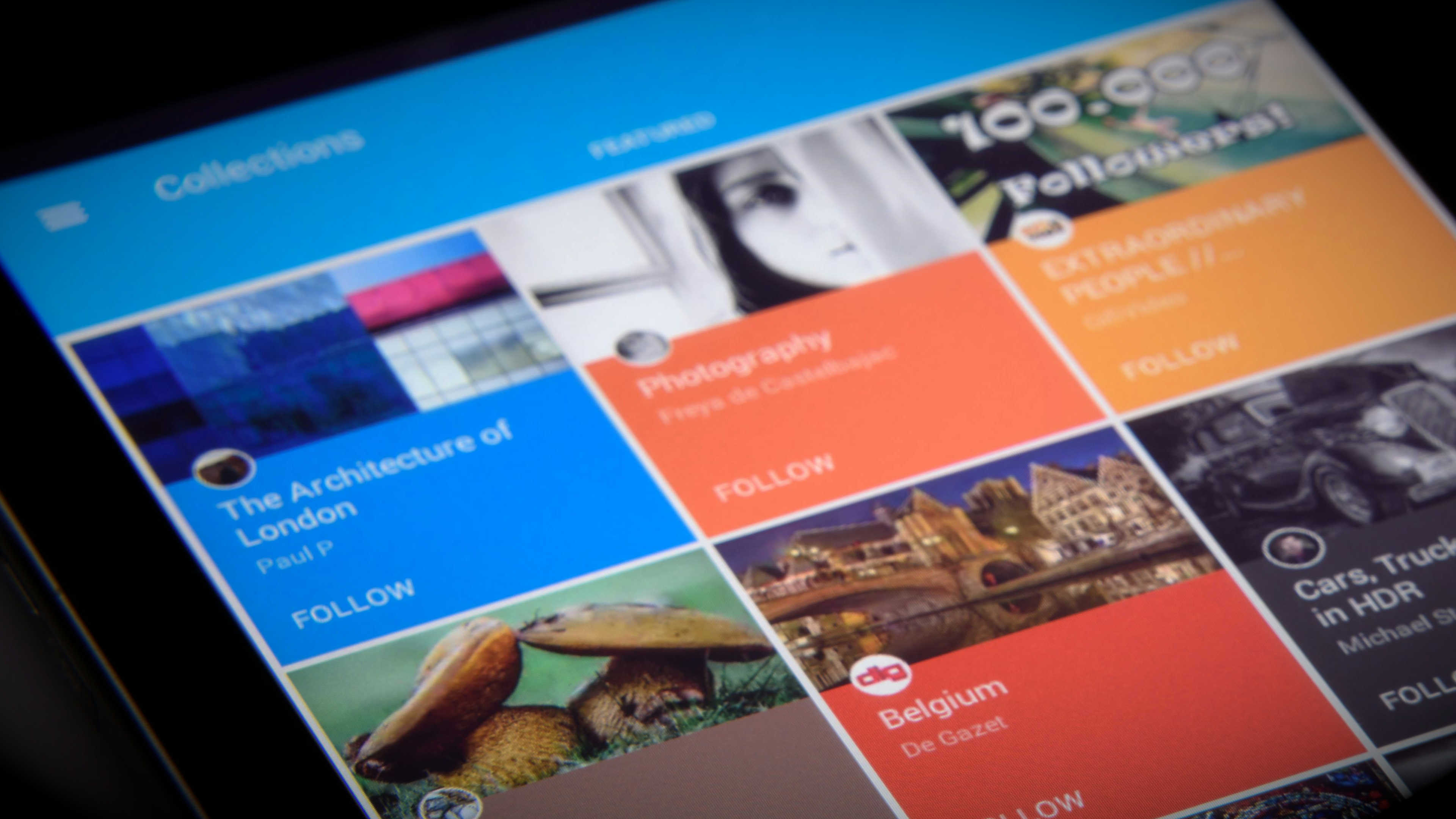
Structure plays the indispensable role of organizing information in creative work
2. The Indispensable Hand of Structure
If freedom is the oxygen, structure is the skeleton.
Structure in design isn’t about stifling creativity—it’s about aiming it. It’s the system of constraints that turns messy exploration into something usable and understandable. Structure can be:
- Brand guidelines for consistent messaging
- Design systems unifying UI
- Technical specs ensuring build-ability
- Deadlines forcing direction
Structure aligns design with goals, keeping teams moving together. Crucially, it respects business realities. Clients pay for results – solutions that work and scale. Structure is how we deliver that promise. It’s the discipline turning artistic vision into tangible value. Consider how well-defined component libraries save countless hours and prevent inconsistent builds across large digital products – that's structure enabling efficiency and quality.
However, too much structure can be suffocating. Overly rigid rules, process for process’s sake, kill creativity. You get soulless, templated work—technically correct, but devoid of soul.