BLOG
The Symbolic Logo
Designing Resonance Through Ritual and Meaning
Posted on June 12, 2025, by Peter Loomis
Introduction
In a world obsessed with the latest innovations in AI-generated imagery and real-time video synthesis, the enduring power of a static, silent symbol like a logo might seem almost quaint. But as we rush into a future of infinite content and synthetic storytelling, the question becomes more urgent: what anchors meaning in a sea of stimulation?
The answer may lie not ahead, but behind us. For millennia, symbols have organized human societies, channeled invisible forces and defined spiritual tribal and national identity. From the Roman eagle to the Orthodox cross, from the alchemical ouroboros to the corporate swoosh, symbols have always been more than mere visuals. They are vessels of power, shaped to leave a lasting impression across time.
The power of a logo doesn’t come from cleverness or novelty, but from how deeply it taps into cultural emotional and archetypal meaning—even if the viewer isn’t consciously aware of it. That’s what gives it true impact and lasting presence.
Symbols have their own gravitational pull, inviting us into deeper meaning.
1. Invocation: The Power Beneath the Surface
Symbols are not signs. Signs point to something we already know—a stop sign. Symbols point to something deeper, often unknown, and invite us into an encounter. As Jung wrote, they represent the best possible expression of something still emerging from the unconscious. They have their own gravitational pull.
In designing a logo, we’re not merely arranging vectors. We are invoking a form—something that must hold and transmit the essence of an idea, a company, a movement. The word “logo” itself comes from the Greek logos, meaning “word,” but more profoundly, it refers to reason, principle or the underlying order of things. A logo is a visual condensation of that deeper order, a distilled essence.
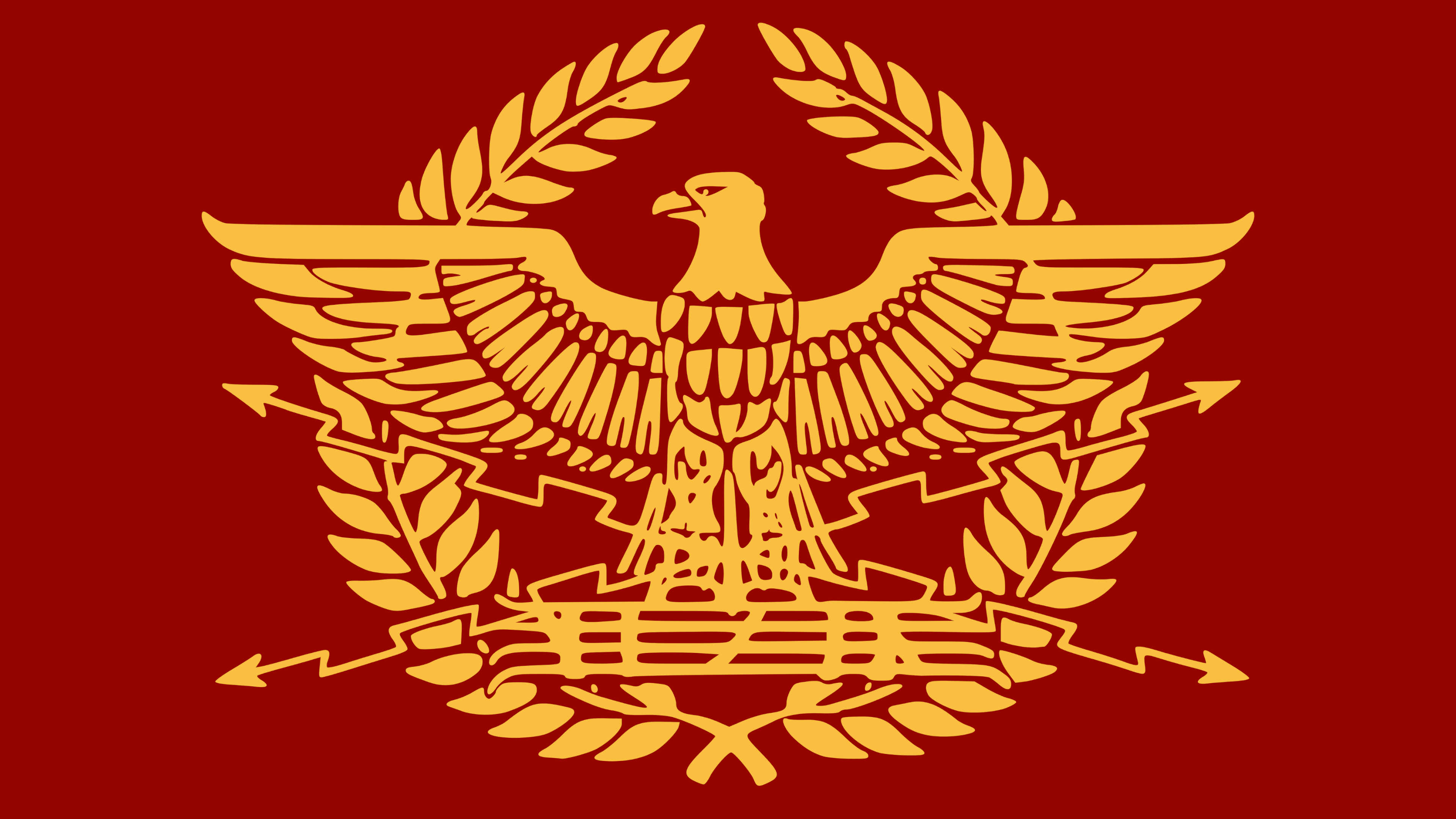
The Roman Aquila: an imperial standard representing dominance, unity, and divine sanction. Many modern symbols of state and power borrow from its legacy. (Source: Wikipedia)
2. History and Heritage: The Lineage of Symbols
Throughout history, power has been asserted and maintained through symbols. Kingdoms bore sigils. Religions bore icons. Empires brandished standards.
The Roman Aquila, or eagle standard, embodied the might of the legions and the divine authority of the Roman state. This symbol passed through time, influencing everything from the Napoleonic eagle to the American bald eagle. Such icons do more than mark allegiance—they sanctify it.The American eagle is a descendant of the Roman eagle. The cross has defined continents and colonized imaginations. These are not just decorations; they are declarations.
The Eye of Providence and the Great Seal as a visual legacy of divine symbolism in national identity. (Source: YouTube / Coin Advisor)
One of the most layered and potent national symbols in use today is the Great Seal of the United States—particularly the reverse side featuring the Eye of Providence above the unfinished pyramid. The symbolism here projects a sense of divine mandate, timeless strength and a revolutionary new order. The Latin mottoes *Annuit Coeptis* ("He favors our undertakings") and *Novus Ordo Seclorum* ("New Order of the Ages") amplify the subconscious message: this nation is ordained, self-sufficient and part of a grand destiny. The pyramid signals enduring foundation and unstoppable progress. Together, these visual elements silently communicate legitimacy, sacred purpose and global influence—making the seal not just a national emblem but a psychological anchor.
Apple’s logo echoes the Genesis story of Adam and Eve—symbolizing knowledge, temptation and the promise of enlightenment. (Source: Pixabay)
Even modern corporations inherit this lineage. Apple’s logo, an apple with a bite out of it, echoes the biblical story of knowledge, temptation and awakening. Is it accidental that a technology company—one that promises enlightenment and power through knowledge—chose a symbol steeped in Judeo-Christian mythos?
Modern corporate logos inherit a rich lineage of ancient symbols. (Source: YouTube / Bloomberg)
Starbucks, too, offers more than coffee. Its twin-tailed siren, drawn from the myth of Melusina, speaks to allure, indulgence, danger. A symbol that once warned sailors of ruin is now a beacon for caffeine seekers. This is no mere illustration—it’s an enchantment.
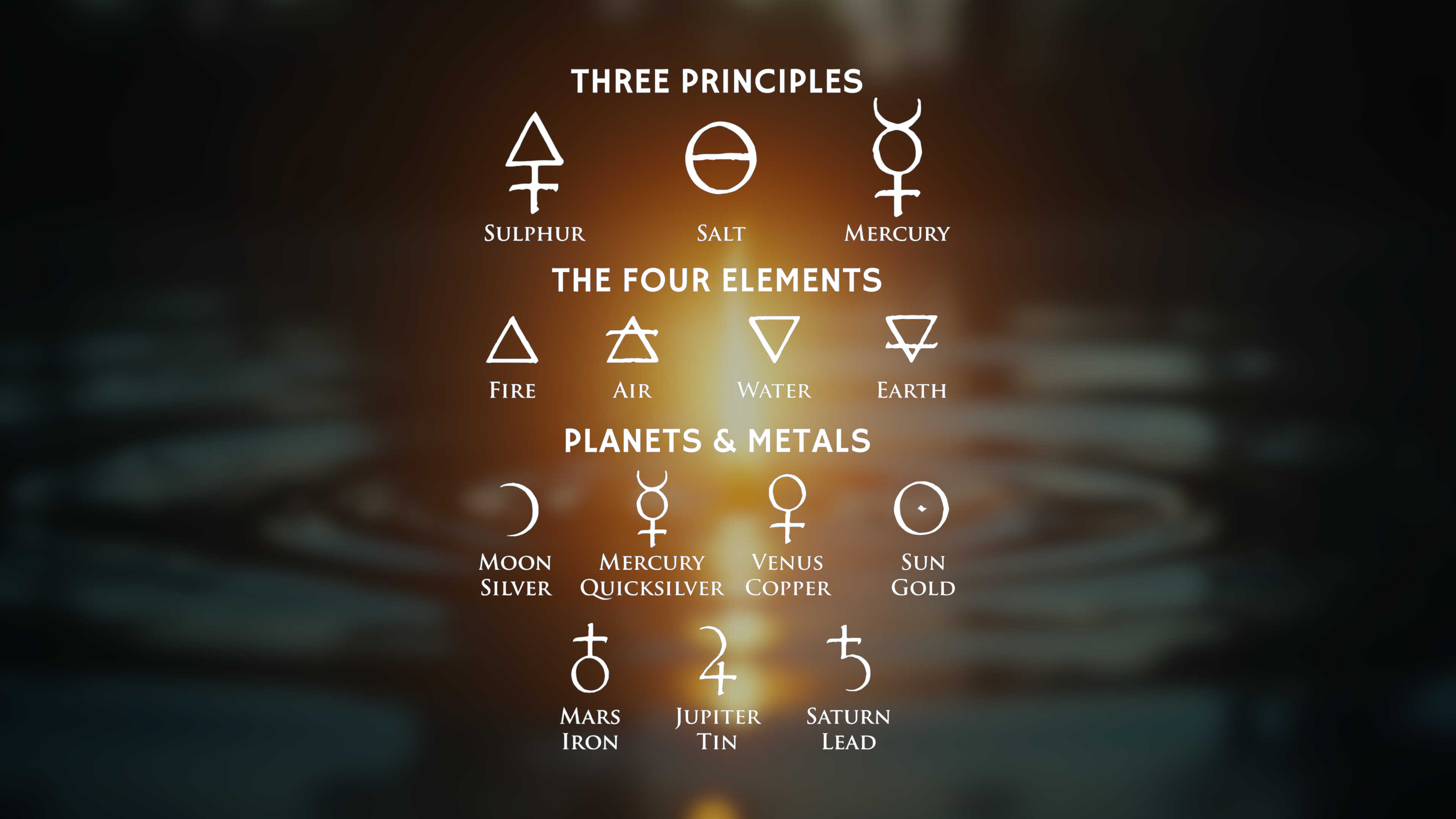
Approaching logo design as an alchemical ritual can lead to deeper, more impactful outcomes.
3. Preparation: Approaching the Logo as Ritual
When we begin designing a logo, we would do well to treat it not as a deliverable, but as a ritual. Like alchemists preparing for transmutation, we must gather intent, environment and symbolic ingredients. What is the essence to be expressed? What archetypes might it summon? What symbolic charge must it carry into the world?
This shift in perspective fundamentally alters the design process, inviting a deeper engagement. The ritualistic process mirrors sacred traditions:
- Invocation – Calling forth the energy or principle the brand represents.
- Incubation – Letting ideas steep, allowing the unconscious to contribute symbols.
- Revelation – The arrival of form, often unexpected, often charged.
- Refinement – Honoring the symbol by shaping it with discipline and precision.
- Blessing – Imbuing the final mark with intention and story.
- Distribution – Sending it into the world not as a commodity, but as a message.